A Deeper Look at Baby Jesus Christmas Sublimation: Crafting Sacred Holiday Keepsakes
Understanding the Essence of Sublimation in Holiday Imagery
Sublimation printing has become a dominant force in the world of custom apparel and home décor, yet its application to deeply symbolic imagery like the Baby Jesus at Christmas requires a refined understanding of both technique and design. At its core, sublimation is a dye-transfer process that embeds ink into polymer-coated or polyester-based materials using heat and pressure. Unlike surface printing methods, sublimation produces images that become part of the substrate itself, yielding vibrant, durable, and photo-realistic results. When the subject is the nativity scene, particularly the infant Christ, the stakes are higher: the image must convey reverence, warmth, and spiritual depth, not just visual accuracy. Baby Jesus Christmas sublimation therefore sits at the intersection of technical craftsmanship and sacred art, demanding careful attention to color fidelity, soft tonal transitions, and material selection to preserve the tenderness of the scene.
The Technical Process Behind Sacred Sublimated Art
Producing a high-quality sublimated image of the Baby Jesus begins long before the heat press is engaged. The design phase requires a high-resolution digital file, often sourced from original paintings, illustrations, or carefully composed photographic composites. Because sublimation relies on CMYK or expanded color profiles, the file must be color-corrected to ensure that the warm tones of the manger, the soft glow of a halo, and the delicate flesh tones of the infant are reproduced faithfully. Once printed onto sublimation paper using specialized ink, the transfer is taped into position over the substrate — commonly a polyester-blend fabric, a ceramic ornament, a glass tile, or a coated metal sheet. The heat press applies temperatures around 380–400°F under medium pressure for a dwell time typically between 45 and 60 seconds. During this process, the solid dye particles convert directly into a gas, bypassing the liquid phase, and permeate the polymer coating. When the substrate cools, the gas reverts to a solid state, locking the image inside the material. This is why Baby Jesus Christmas sublimation yields prints that resist fading, scratching, and washing when executed correctly.
Material Compatibility and Its Impact on Image Quality
Not every surface is suitable for sublimation. The process works only with polyester-based materials or items coated with a polymer receptor. For Christmas-themed items featuring the Baby Jesus, common substrates include polyester fleece blankets, poly-cotton T-shirts, ceramic mugs, hardboard coasters, resin magnets, and aluminum panels. Each substrate interacts with the ink differently. A soft fleece blanket will yield a slightly diffused image due to the fibers, which can actually enhance the gentle, painterly quality of a nativity scene. In contrast, a rigid ceramic tile produces razor-sharp detail, making every strand of straw in the manger clearly visible. When selecting materials for Baby Jesus Christmas sublimation, creators must evaluate the intended use: a decorative ornament benefits from high contrast and saturated color, while a baby blanket or receiving blanket demands softer gradients and a muted palette to avoid overstimulation and maintain a peaceful aesthetic. Testing on small batches before committing to larger production runs is always advisable, as color output can shift noticeably between different brands of polymer coatings.
Design Considerations for Sacred Sublimation Projects
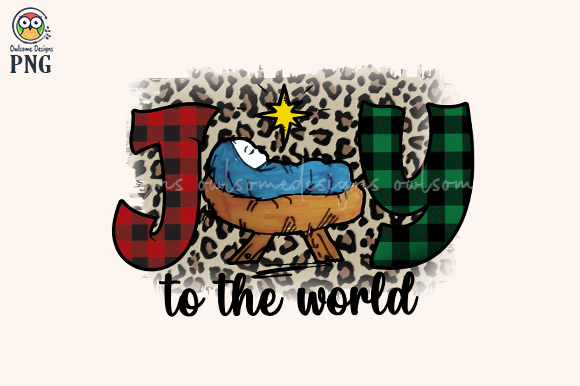
Designing for sublimation is not the same as designing for screen printing or direct-to-garment. The image must account for white spaces, since sublimation cannot print white ink; any white areas in the final product must be the natural color of the substrate. For a scene featuring the Baby Jesus, where highlights on the infant's skin, the soft glow of a star, or the white linens in the manger are critical, designers must either leave those areas blank or use very light tints that allow the substrate to show through. This limitation can be turned into a creative advantage. A white polyester fabric becomes the highlight itself, creating an ethereal, luminous effect around the central figure. Many artists deliberately compose their Baby Jesus Christmas sublimation designs with high-key lighting and ample negative space to let the substrate contribute to the overall mood. Additionally, because sublimation can reproduce photographic detail with exceptional fidelity, designers may incorporate subtle texture overlays — burlap patterns, wood grain, or soft lens flares — that add depth without distracting from the sacred subject matter.
Color Psychology in Nativity Sublimation Art
Color choices carry profound weight in religious imagery. Traditional nativity scenes use a palette of deep blues, rich purples, warm golds, and earthy browns, each color carrying symbolic meaning. Blue represents the heavens and the Virgin Mary’s purity; gold signifies divinity and royalty; brown and tan ground the scene in the humble reality of the stable. When sublimating an image of the Baby Jesus, saturation levels must be dialed in carefully. Over-saturating the blues can make the scene feel cold, while under-saturating the golds can drain the image of its reverent warmth. Many experienced sublimation artists create custom ICC color profiles specifically for their printer-substrate combinations to ensure that the muted reds and ambers of a candlelit manger appear natural rather than garish. Using a spectrophotometer to calibrate the workflow can dramatically improve consistency, especially when producing multiple items for a church group, a holiday market, or a limited-edition run of Baby Jesus Christmas sublimation keepsakes.
Applications Across Audiences and Settings
The versatility of sublimation means that sacred Christmas imagery can be integrated into nearly every category of holiday product. For consumers, sublimated items offer a way to bring reverent art into daily life: a Baby Jesus tote bag for a grandmother, a set of nativity-themed coasters for a hostess gift, or a personalized ornament depicting a beloved illustration. Small business owners and creators can leverage sublimation to produce small-batch, made-to-order items without committing to large inventory, making it an ideal medium for seasonal pop-up shops and online marketplaces. Educators and catechists may use sublimated banners, table runners, or felt banners for classroom nativity displays that are durable and easy to store from year to year. Churches and religious organizations often commission sublimated paraments, altar cloths, or offering envelopes featuring the nativity scene, benefiting from the process’s ability to reproduce intricate details like gold leaf accents and embroidered-style borders without the cost of actual embroidery. Even hobbyists and researchers who study the intersection of print technology and religious iconography find sublimation a rich area of exploration, examining how digital color science affects the emotional reception of sacred imagery across different cultures and denominations.
Personalized Christmas Gifts and Heirloom Appeal
One of the most compelling use cases for Baby Jesus Christmas sublimation is in personalized keepsake production. Adding a family name, a baptism date, or a short Bible verse to a sublimated nativity scene transforms a generic image into a cherished heirloom. Because sublimation does not create a raised texture or a plastic-like feel, the personalization integrates seamlessly into the artwork. A blanket with “The [Family Name] Nativity, Christmas 2024” sublimated beneath a star-lit manger scene retains its softness and drape. A ceramic ornament with a child’s name and birth year alongside the Baby Jesus becomes a sentimental piece that can be passed down through generations. The permanence of the sublimation process — the image will not peel, crack, or fade with gentle use — adds to the heirloom quality. For many buyers, the ability to combine personalization with sacred imagery justifies a higher price point and creates emotional resonance that mass-produced items cannot replicate.
Practical Workflow Considerations for Creators
For those who intend to produce Baby Jesus Christmas sublimation items at scale, workflow efficiency is essential. Batch processing similar items — pressing a dozen ornaments in sequence, for example — reduces heat press idle time and maintains consistent temperature. Pre-cutting sublimation paper to standard sizes and organizing designs by color density helps prevent ink bleeding and registration errors. It is also critical to use heat-resistant tape that does not leave adhesive residue on the substrate, as any contamination will show up as a defect in the finished image. Another practical consideration is curing time: while sublimation bonds fully during the pressing cycle, some substrates benefit from a brief post-press cooling period under a weighted board to prevent warping or ghosting. For soft goods like apparel and blankets, allowing the item to cool completely before handling prevents the dye from shifting or smudging. Keeping detailed logs of time, temperature, pressure, and substrate type for each design allows creators to replicate successful results consistently year after year, which is especially important for seasonal products that may be reordered by returning customers.
Troubleshooting Common Sublimation Issues with Nativity Art
Even experienced practitioners encounter challenges when working with complex, high-detail imagery. One common issue is color shifting, where the Baby Jesus’s skin tones appear too pink or too yellow compared to the original design. This often results from incorrect color profiles, but it can also occur if the substrate’s polymer coating has degraded due to age or improper storage. Another frequent problem is ghosting, a faint double image that appears when the paper shifts slightly during the pressing cycle. Using a tacky spray adhesive or repositionable tape designed for high-heat applications can minimize this risk. A third issue is uneven pressure distribution across the heat press platen, leading to spots where the image appears faded or washed out. This is particularly problematic for large-format items like fleece blankets featuring a full nativity tableau. Placing a silicone sheet or a Teflon pillow between the press and the substrate helps distribute pressure evenly and prevents hard creases. For any creator specializing in Baby Jesus Christmas sublimation, investing in a heat press with a larger platen and adjustable-pressure settings pays dividends in quality control.
Market Trends and the Growing Demand for Faith-Based Sublimation
The market for faith-based holiday décor has experienced steady growth as consumers increasingly seek meaningful, non-mass-produced alternatives to generic seasonal decorations. Sublimation fits this demand perfectly, enabling small-scale production of highly detailed, personalized items that feel artisanal rather than industrial. Social media platforms have amplified interest in handmade and customized Christmas products, with creators sharing timelapse videos of nativity scenes emerging from heat presses. The term Baby Jesus Christmas sublimation has gained traction as a search phrase among crafters and shoppers alike, reflecting a desire to find products that combine technical quality with spiritual authenticity. This trend is not limited to Christian households; many secular consumers also appreciate the historical and artistic value of nativity imagery, particularly when rendered with the vibrant, archival-quality finish that sublimation provides. As more creators enter this niche, differentiation will come through design originality, material innovation, and customer experience rather than through price competition alone.
Ethical and Theological Sensitivity in Image Selection
When producing sublimated art of the Baby Jesus, it is important to approach the subject with cultural and theological awareness. Different Christian traditions represent the nativity in distinct ways: some emphasize historical realism, others lean toward iconographic stylization, and still others prefer a more modern, inclusive depiction. Creators should source designs that respect the diversity of belief among their customers. Using original artwork rather than unlicensed reproductions not only avoids copyright issues but also supports living artists who specialize in sacred imagery. Additionally, some denominations have specific guidelines about how the infant Christ may be depicted, especially when the image appears on functional objects like mugs or clothing. While many consumers welcome reverent imagery on everyday items, others may feel it trivializes the sacred. Understanding your target audience and offering clear product descriptions with sample images helps buyers make informed choices. Sensitivity in design and marketing ultimately builds trust and positions a creator as a thoughtful steward of religious art within the Baby Jesus Christmas sublimation space.
Looking Ahead: Innovation and Tradition in Sacred Sublimation
The future of Baby Jesus Christmas sublimation lies in the marriage of technological advancement and enduring tradition. As printers become capable of wider color gamuts and finer dot control, the subtlety of nativity scenes will only improve. Meanwhile, the development of new substrates — including biodegradable polymer coatings, textured ceramics, and flexible wood veneers — will expand the range of products available to creators and consumers. Augmented reality integration is an emerging frontier: a sublimated ornament could include a hidden QR code or marker that triggers a digital retelling of the Christmas story when scanned with a smartphone. Such innovations do not replace the spiritual significance of the image; rather, they create new opportunities for engagement and reflection. For those who produce, sell, or collect sublimated nativity art, the craft offers a meaningful way to keep the story of Christmas present in homes, churches, and communities. Whether printed on a simple coaster or a museum-quality aluminum panel, the image of the Baby Jesus continues to inspire wonder, and sublimation provides a medium that honors that wonder with permanence and beauty.