Jesus Kneels in Prayer: Evaluating Its Significance for Personal Devotion
The image of Jesus kneeling in prayer is one of the most arresting and theologically significant scenes in the Christian narrative. It captures a moment of profound vulnerability, deep spiritual struggle, and ultimate submission. For many, this depiction is more than a biblical event; it serves as a focal point for prayer, reflection, and understanding the nature of Christ himself. This article offers a balanced evaluation of what "Jesus Kneels in Prayer" represents, why it might resonate with you, and how to determine if it aligns with your spiritual needs and goals.
Understanding the Image of Jesus Kneeling in Prayer
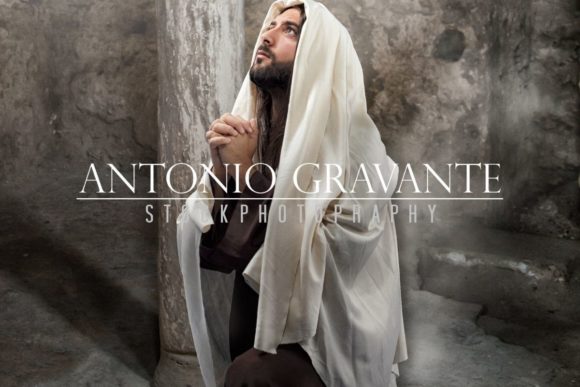
When we refer to "Jesus Kneels in Prayer," we are most often pointing to the scene in the Garden of Gethsemane, described in the Gospels of Matthew, Mark, and Luke. In this narrative, Jesus withdraws from his disciples to pray alone, falling to his knees in deep anguish. He prays that the “cup” of suffering might pass from him, but ultimately submits, saying, “not my will, but yours be done.”
This is not simply a quiet, peaceful moment of devotion. The Gospel writers describe him as being in agony, sweating like drops of blood. In art and literature, this scene is often rendered with stark emotion—a solitary figure under the weight of the world's sins, wrestling with the Father’s will. It is a picture of honest, unfiltered prayer that includes lament, request, and surrender. For those evaluating this as a spiritual focus, it is crucial to recognize that it portrays a moment of transition: from ministry to passion, from public teaching to private suffering.
Why This Image Resonates: Motivations for Interest
People are drawn to "Jesus Kneels in Prayer" for several reasons, each rooted in a specific human or spiritual need.
- Relatability in suffering: This image shows Jesus experiencing fear, sorrow, and emotional pressure. For someone enduring a personal trial, seeing Christ in this state can be deeply validating. It reframes pain not as a sign of faithlessness, but as a shared human experience.
- A model for surrender: The core of this prayer is submission. For those struggling with control, anxiety, or making a difficult decision, the Gethsemane prayer offers a template for how to voice one’s own desires while ultimately releasing them to a higher purpose.
- Deepening connection to the Passion: For individuals preparing for Lent or Holy Week, focusing on this moment provides critical context for the crucifixion. It humanizes the sacrifice and emphasizes the cost of redemption.
- Seeking authenticity in prayer: This is not a polished, public prayer. It is raw and honest. For those who feel their own prayers are messy or inadequate, the image of Jesus kneeling in prayer gives permission to bring those same unfiltered emotions to God.
Benefits and Strengths of This Devotional Focus
Choosing to make "Jesus Kneels in Prayer" a regular part of your spiritual practice can yield several significant benefits.
It deepens an understanding of Christ's humanity. In a faith tradition that can sometimes overemphasize the divine nature of Jesus, this image anchors him firmly in human experience. He tires, he grieves, he struggles. This can foster a more intimate and empathetic connection with Christ.
It provides a model for persistent, honest prayer. Jesus does not simply accept his fate immediately. He prays the same request multiple times. This can encourage those who feel their prayers are unheard to persist with honesty and humility. It validates the act of bringing one’s true desires to God, even when they conflict with divine will.
It connects devotion to the core of Christian belief. The Gethsemane prayer is the pivot point upon which the entire Passion narrative turns. Reflecting on it can deepen appreciation for the atonement and the cost of salvation, moving beyond abstract theology into a felt reality.
It offers a visual anchor for contemplation. Many people benefit from a concrete image during prayer. The scene of Jesus kneeling provides a rich, emotionally layered tableau that can hold the attention and draw the mind into deeper reflection.
Tradeoffs, Considerations, and Potential Points of Caution
While the image is powerful, it is not without its complexities and potential drawbacks. A careful evaluation requires acknowledging these tradeoffs.
Risk of emotional saturation. The Gethsemane scene is overwhelmingly sorrowful. For individuals already struggling with depression, anxiety, or despair, a sustained focus on this image may inadvertently reinforce feelings of hopelessness rather than lead to hope. Without the balancing context of the Resurrection, it can feel like an ending without an answer.
Theological weight. This scene raises deep questions about divine will, human freedom, and the relationship between the Father and the Son. Some artistic or theological interpretations can feel deterministic or overly punitive. It requires a certain theological maturity to hold the tension between Jesus’s anguish and the Father’s plan without feeling spiritually crushed.
One-dimensional focus. If "Jesus Kneels in Prayer" becomes the sole or primary image of Christ in your devotional life, you may miss the full portrait of his identity. The Christ who teaches, heals, celebrates, confronts injustice, and rises in victory all offer essential perspectives. An over-focus on suffering can inadvertently diminish the joy and power of other aspects of the gospel.
Variety in artistic interpretation. Not all depictions of Jesus kneeling in prayer are created equal. Some are sentimental, others stark; some emphasize his divinity, others his humanity. The specific artwork or rendering you choose will shape your experience. It is worth selecting a depiction that resonates honestly with your current spiritual state.
When This Focus Is a Strong Fit
There are particular seasons and situations where centering on "Jesus Kneels in Prayer" is especially fitting.
- During Lent or Holy Week: This is the natural liturgical season for reflecting on the Passion. It provides rich material for Maundy Thursday services or personal Lenten disciplines.
- In times of personal trial: When facing a difficult decision, a health crisis, or a relational struggle, this image offers a companion for your own prayer. It validates the desire to avoid suffering while modeling surrender.
- For contemplative or spiritual direction: This scene lends itself well to lectio divina or Ignatian meditation, where you imagine yourself in the story. It can be a powerful tool for exploring your own relationship with obedience and trust.
- When seeking a prayer template: If you feel your prayer life has become rote or shallow, examining Jesus’s prayer in Gethsemane can reinvigorate your practice with honesty and depth.
When Alternatives Are Worth Considering
Conversely, there are times when another image or focus may serve you better.
- During seasons of joy and celebration: Advent, Christmas, and Easter Sunday are times that call for images of incarnation, hope, and resurrection victory. Focusing on Gethsemane during these seasons can feel tonally mismatched.
- For those in acute emotional distress: If you are already feeling overwhelmed by grief or despair, the agony of Gethsemane may intensify your pain without providing adequate comfort. In such cases, images of Christ as healer, shepherd, or triumphant king may be more restorative.
- When seeking a prophetic or justice-oriented faith: The Jesus of Gethsemane is passive and interior. If your current spiritual need is for courage to confront injustice or speak truth to power, focusing on the Jesus who cleanses the temple or preaches the Sermon on the Mount may be more empowering.
- For a beginner seeking entry into faith: For someone new to Christianity, the theological complexity of Gethsemane can be confusing. The core gospel message of God’s love and grace may be more accessible through images of Jesus welcoming children, healing the sick, or forgiving sinners.
Practical Decision-Making: Evaluating Fit for Your Needs
Determining whether "Jesus Kneels in Prayer" is right for your devotional life is a personal decision. Here are practical steps to guide your evaluation.
Assess your current spiritual state. Are you in a season of struggle, seeking a model for surrender? Or are you in a season of rejoicing or rebuilding, needing hope and strength? Let your present need guide your choice.
Try a short-term focus. Commit to reflecting on this image for a week or during a single retreat. Journal your emotional and spiritual responses. Notice whether it brings clarity, comfort, or discomfort—and what that discomfort might be teaching you.
Pair it with a balancing image. If you are drawn to Gethsemane, intentionally also spend time with the Transfiguration, the Resurrection, or the Ascension. This prevents your view of Christ from becoming one-dimensional.
Consult a trusted guide. Discuss your interest with a spiritual director, pastor, or mature friend in faith. They can offer perspective on whether this focus is healthy and productive for your particular journey.
Consider the source. If using an artistic depiction, evaluate whether it aligns with your theology and emotional sensibility. A darker, more realistic painting may suit a season of lament, while a gentler rendering may be more appropriate for a time of quiet trust.
Conclusion
Jesus kneeling in prayer is one of the most human and holy moments recorded in Scripture. It offers a profound model for authenticity in prayer, a window into the cost of redemption, and a companion for those walking through their own gardens of struggle. However, like any single devotional focus, it is not universally appropriate for all people or all seasons. By weighing the benefits and tradeoffs, assessing your current needs, and integrating it within a broader view of Christ’s life and ministry, you can determine whether this image will enrich your spiritual practice or whether a different focus would better serve your journey. Ultimately, the goal is not to find the "right" image, but to draw closer to the one who knelt in prayer and rose again in victory.